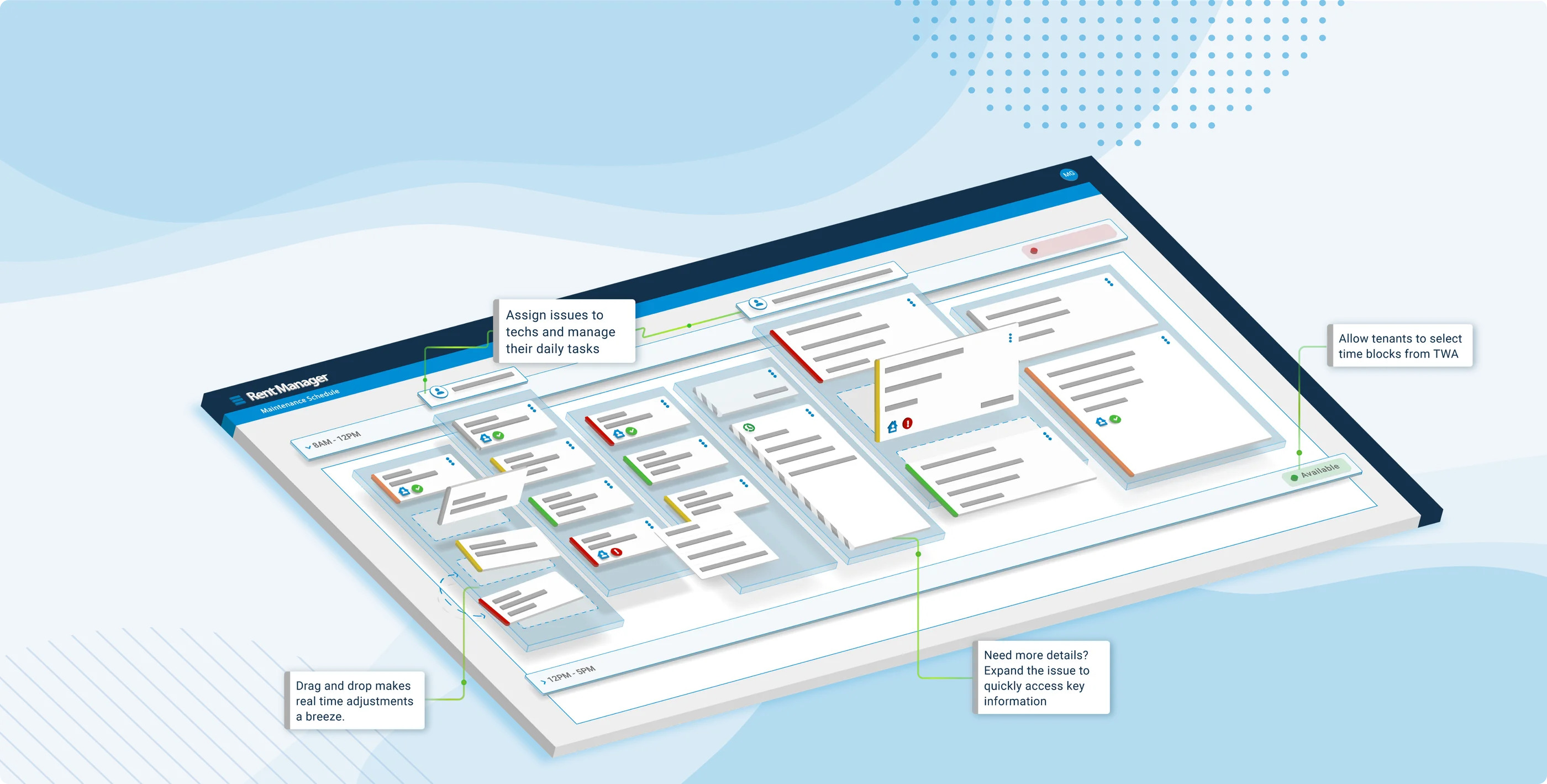
Designing Rent Manager's first shared scheduling platform to unify property managers, technicians, and tenants
What was broken, why it needs to be fixed & who benefits once we do
Property managers, technicians, and tenants relied on fragmented workflows to coordinate maintenance across multiple properties. Without a centralized scheduling system, teams manually tracked technician availability, coordinated appointments through calls and emails, and struggled to keep everyone aligned—resulting in delays, miscommunication, and unnecessary operational overhead.
A shared workflow designed for everyday coordination
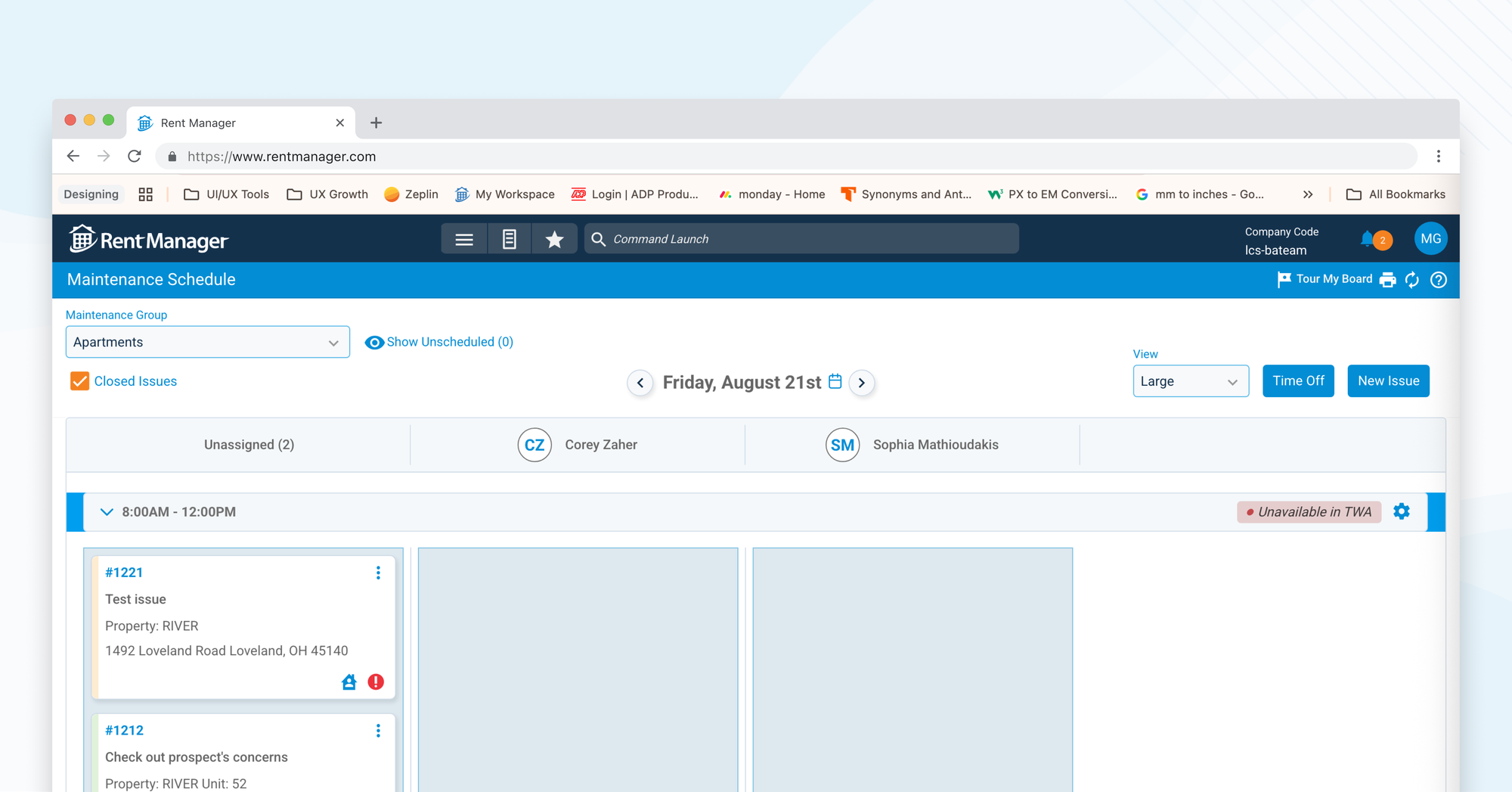
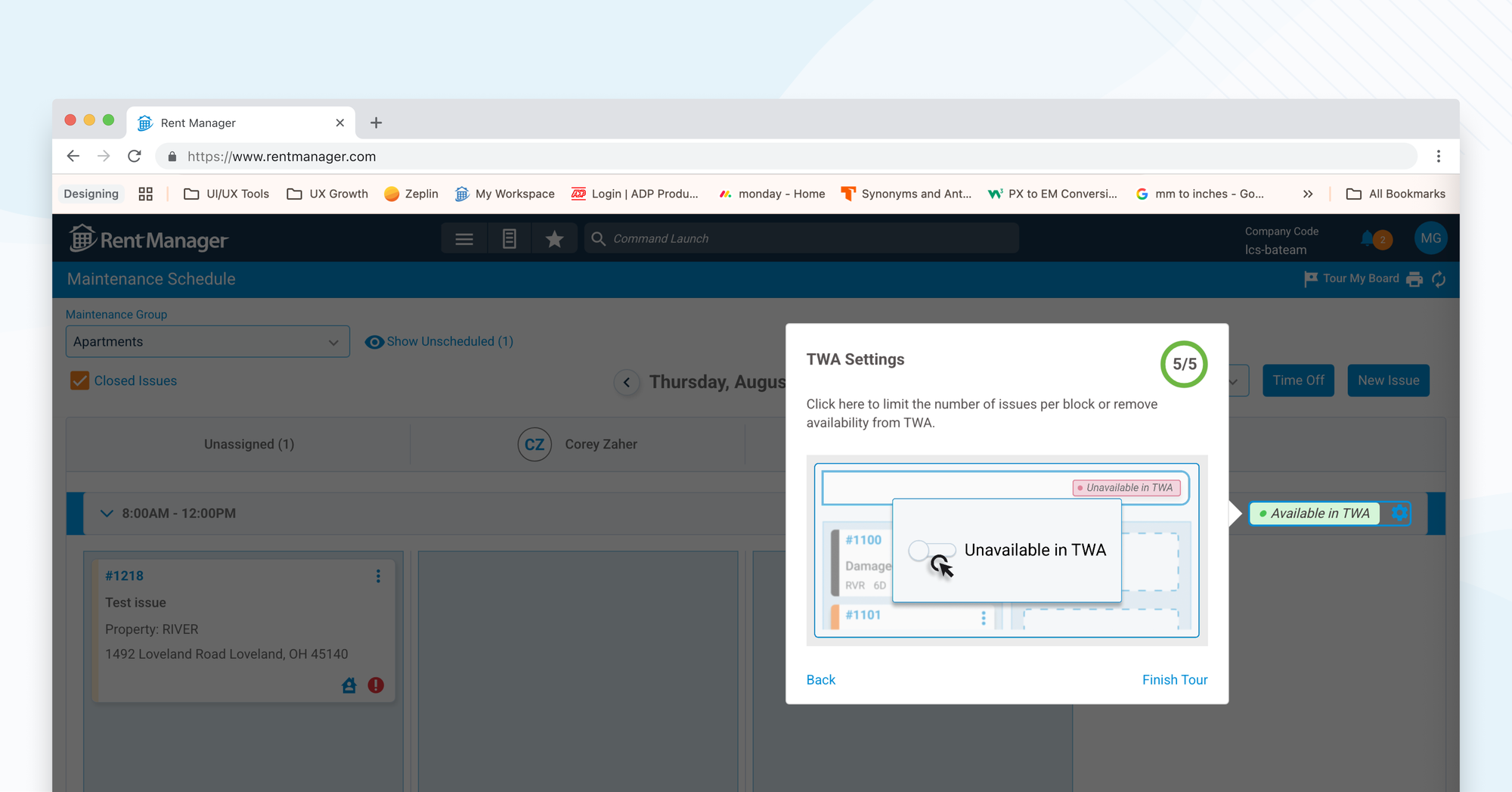
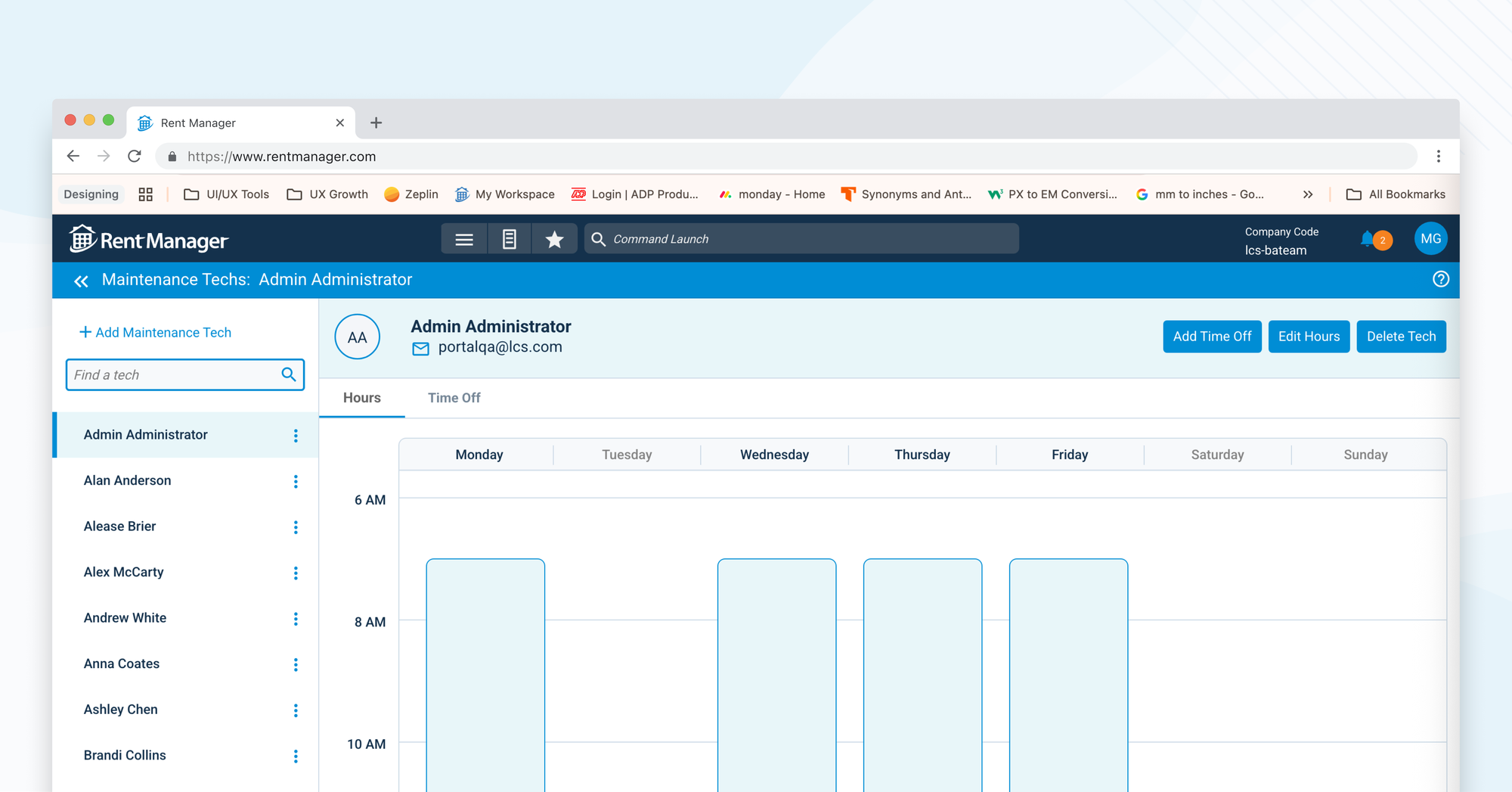
Solution: A shared scheduling platform that gives property managers, technicians, and tenants one place to coordinate maintenance—assigning work through drag-and-drop boards, tracking technician availability, and guiding new users through it all with built-in product tours.
 Reduced scheduling friction by 55%
 Designed and launched 0-1
 Introduced 6 scalable design patterns

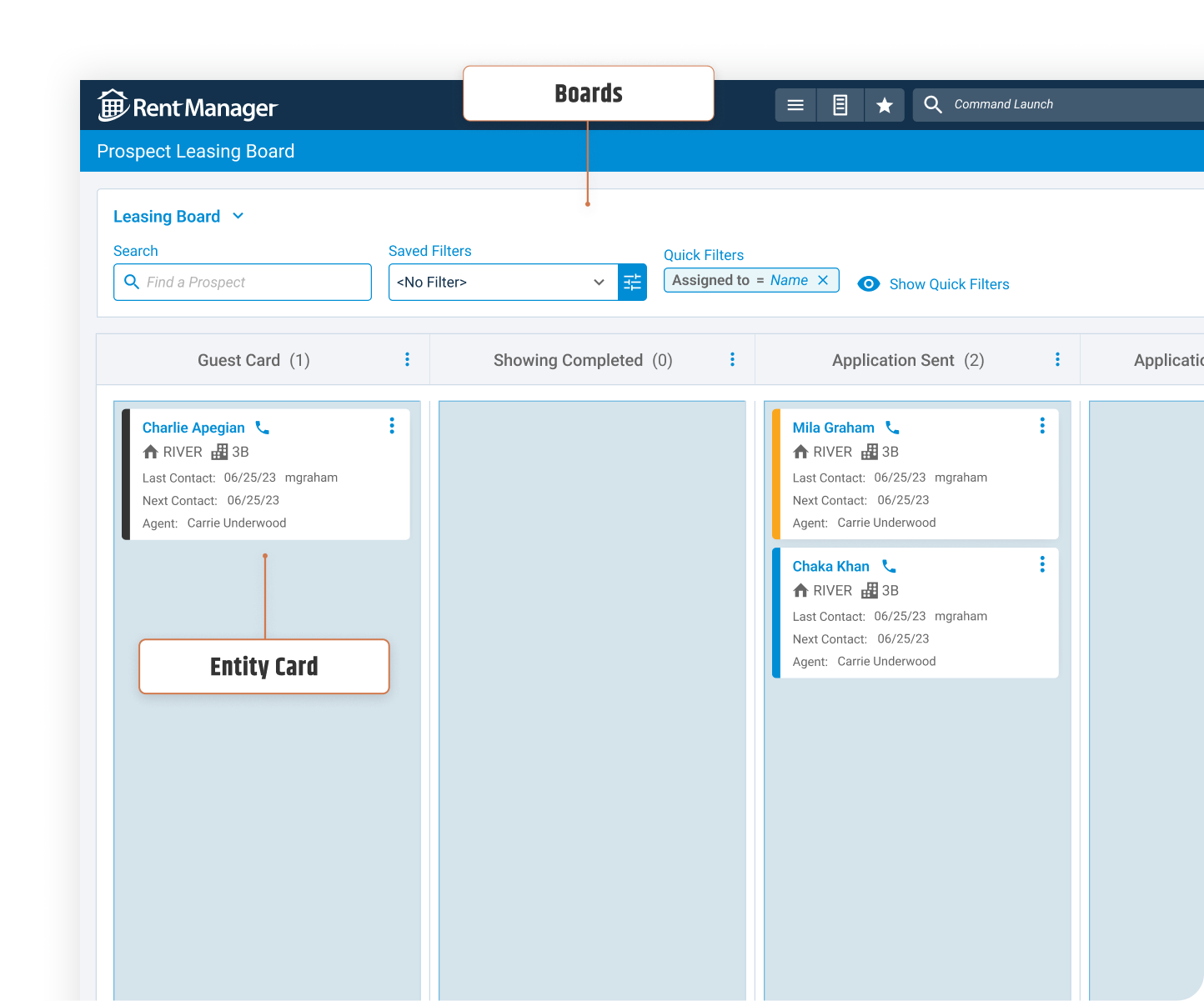
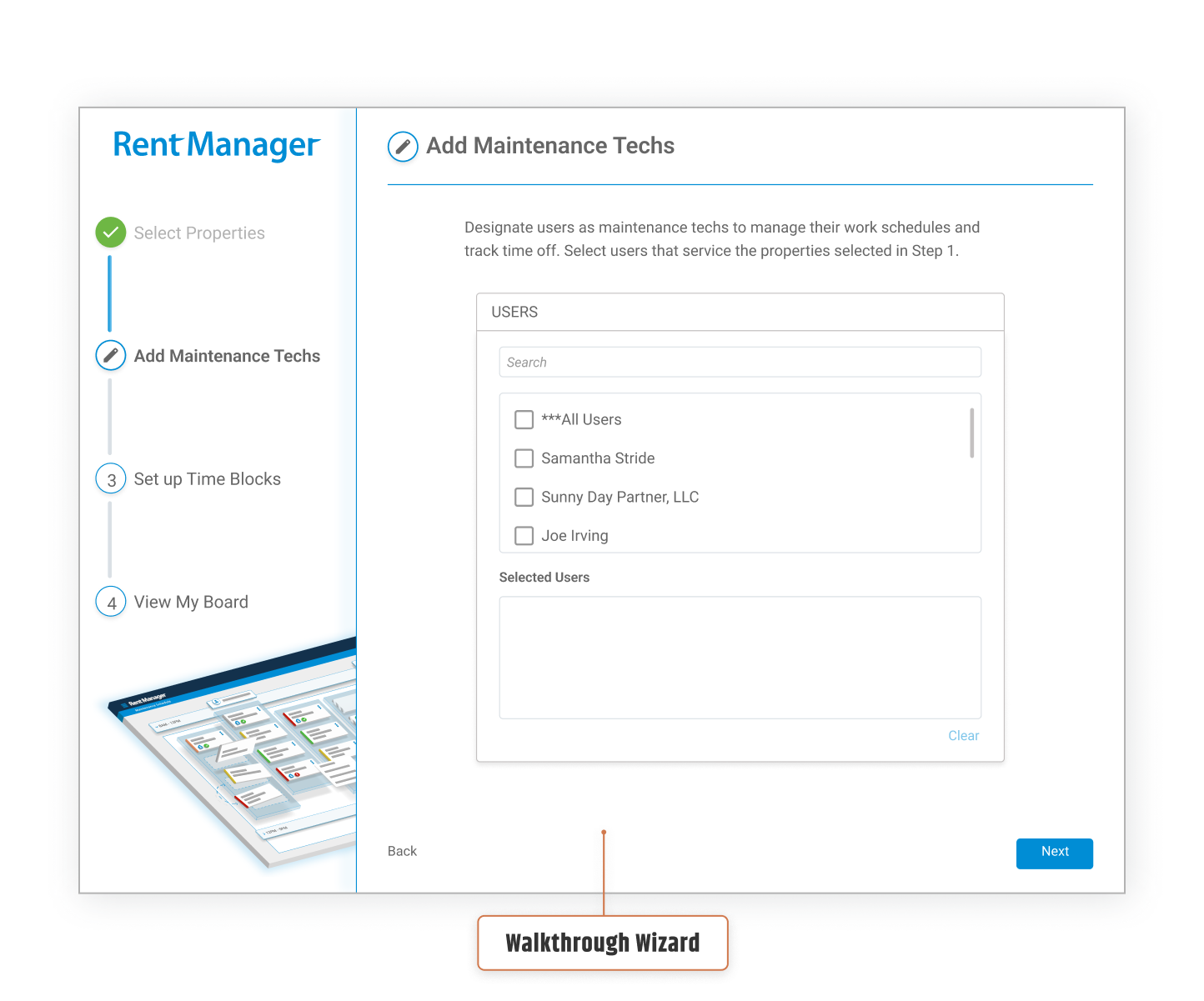
I led the design direction 0→1, introducing boards, expandable cards, isometric illustrations and animations for the product tours that introduce users to new features.

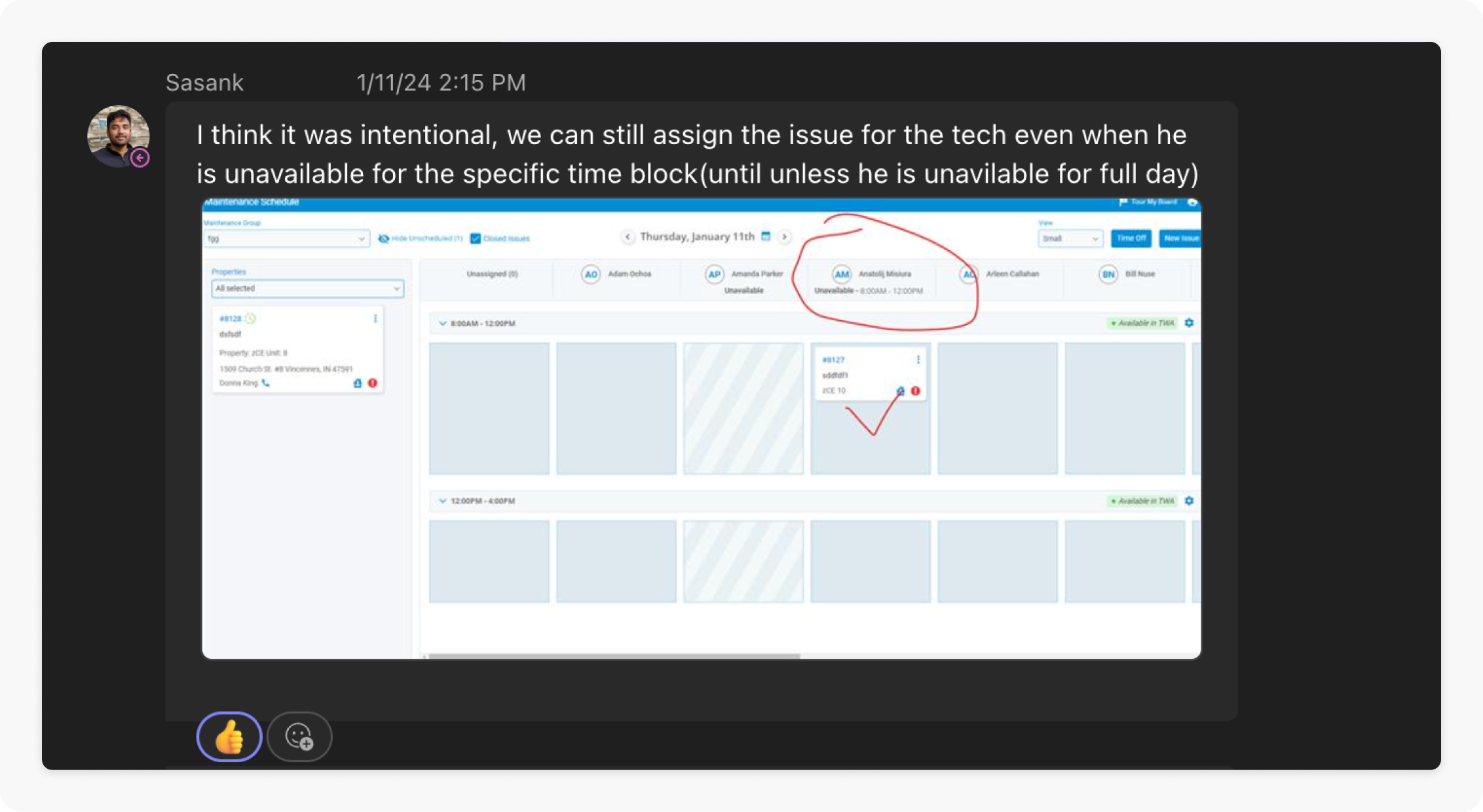
I worked closely with my developer, Sasank, to get the tour flyout component and feature tour implemented 1:1.
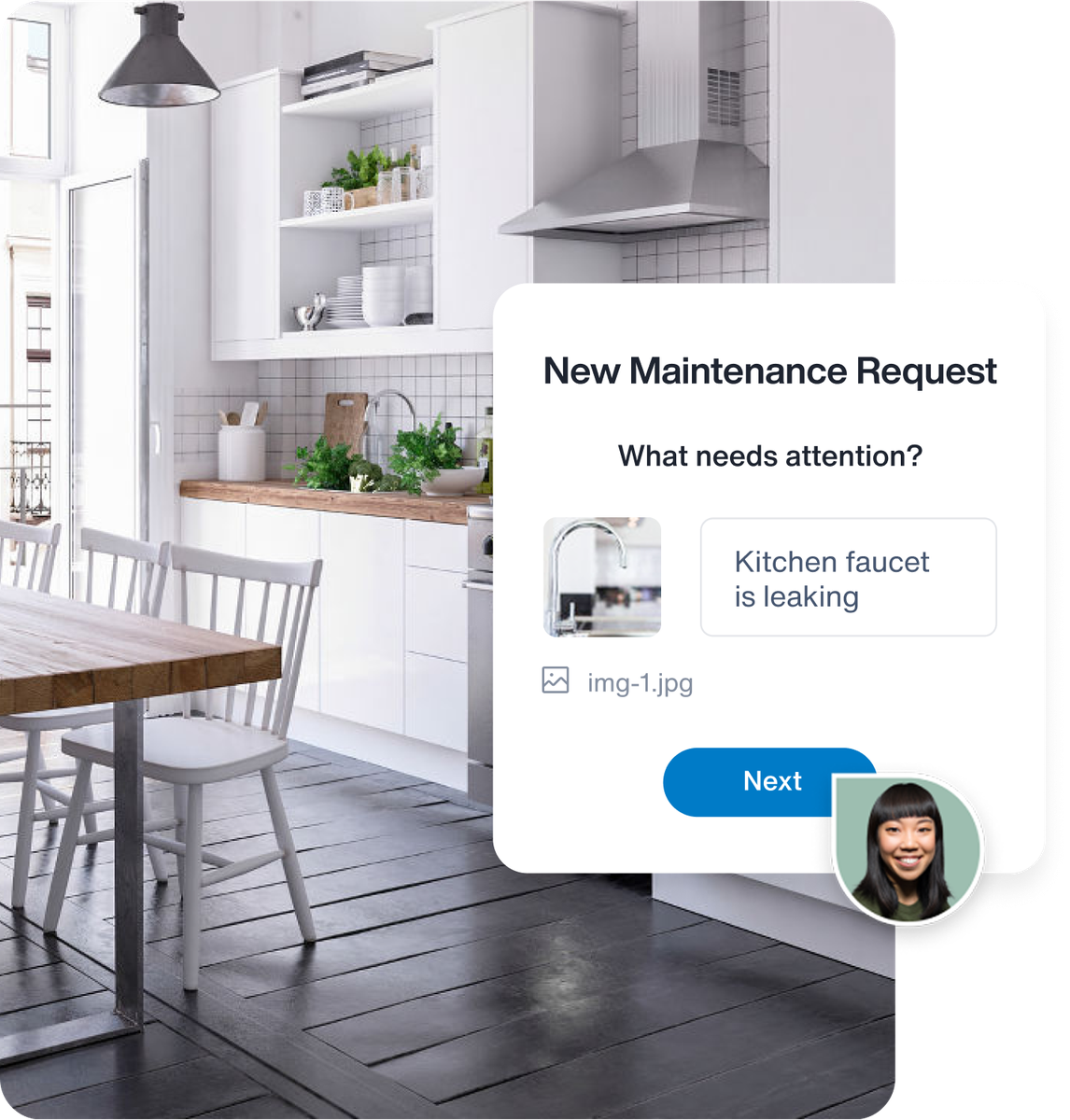
Maintenance Scheduling reaches across 3 separate programs (TWA, RM12, and RMX) and supports web and mobile touch points.
Select up to 3 time frames, starting with your preferred time. You’ve selected your preferred time. Please select additional time frames to continue. All set. Submit to send your request. Request sent. We’ll confirm your time.
Sink Leaking · Possible P-trap issue
How we identified the biggest sources of friction across users

0 → 1 Design
There were no established patterns to build from.
Legacy Enterprise Platform
New workflows had to coexist with existing functionality.
$ Premium Feature
The feature must demonstrate clear customer value.
Insights that informed our design decisions
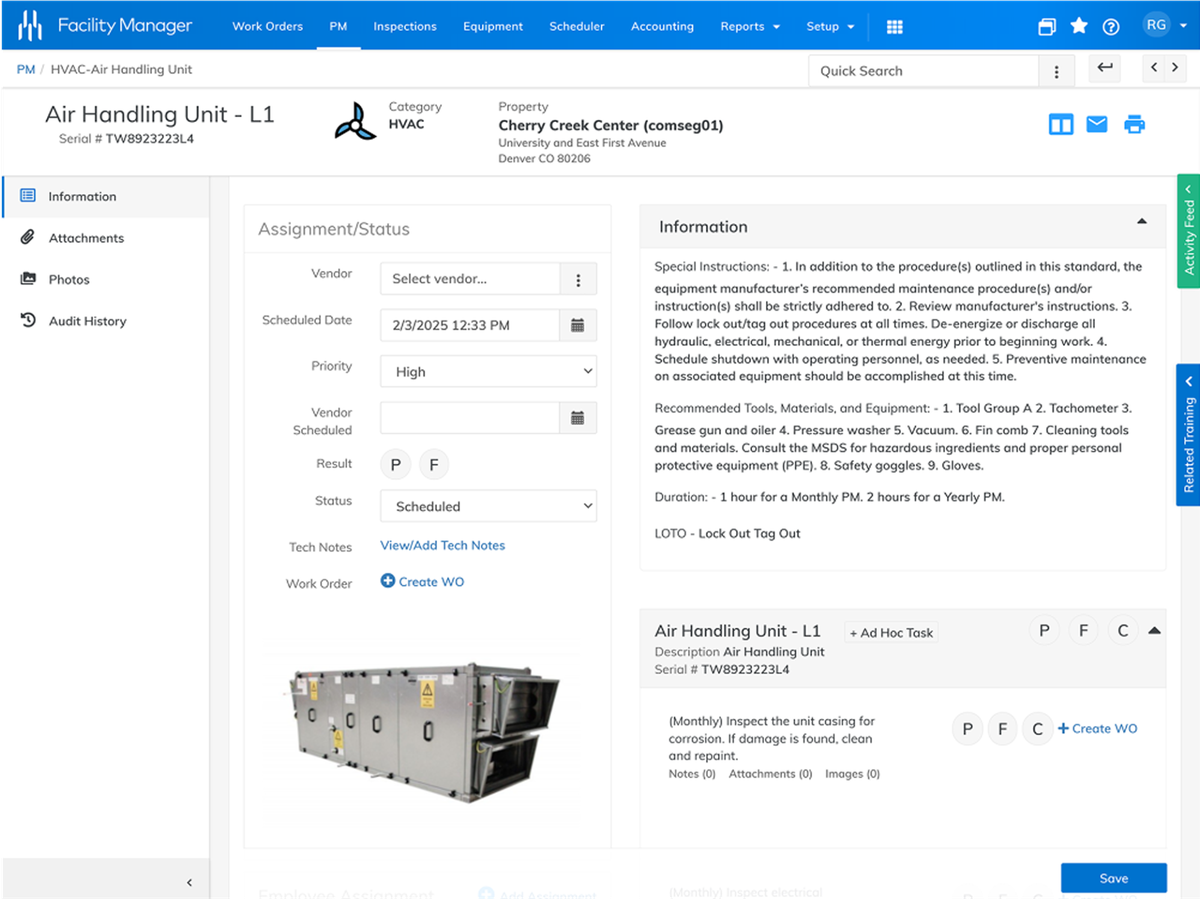
After speaking with a number of users who showed us they were using several softwares to schedule service issues, we dug in to what other property management systems were doing to figure out how we could do it better. We used a mix of:
Contextual Inquiry
User Interviews
Competitive Analysis
Reschedule Issues
We chose not to include a dedicated "Reschedule Issue" flow in the initial release because RM12 does not currently allow users to reschedule maintenance issues.
Exploring iterations and tradeoffs to reach a user centric solution
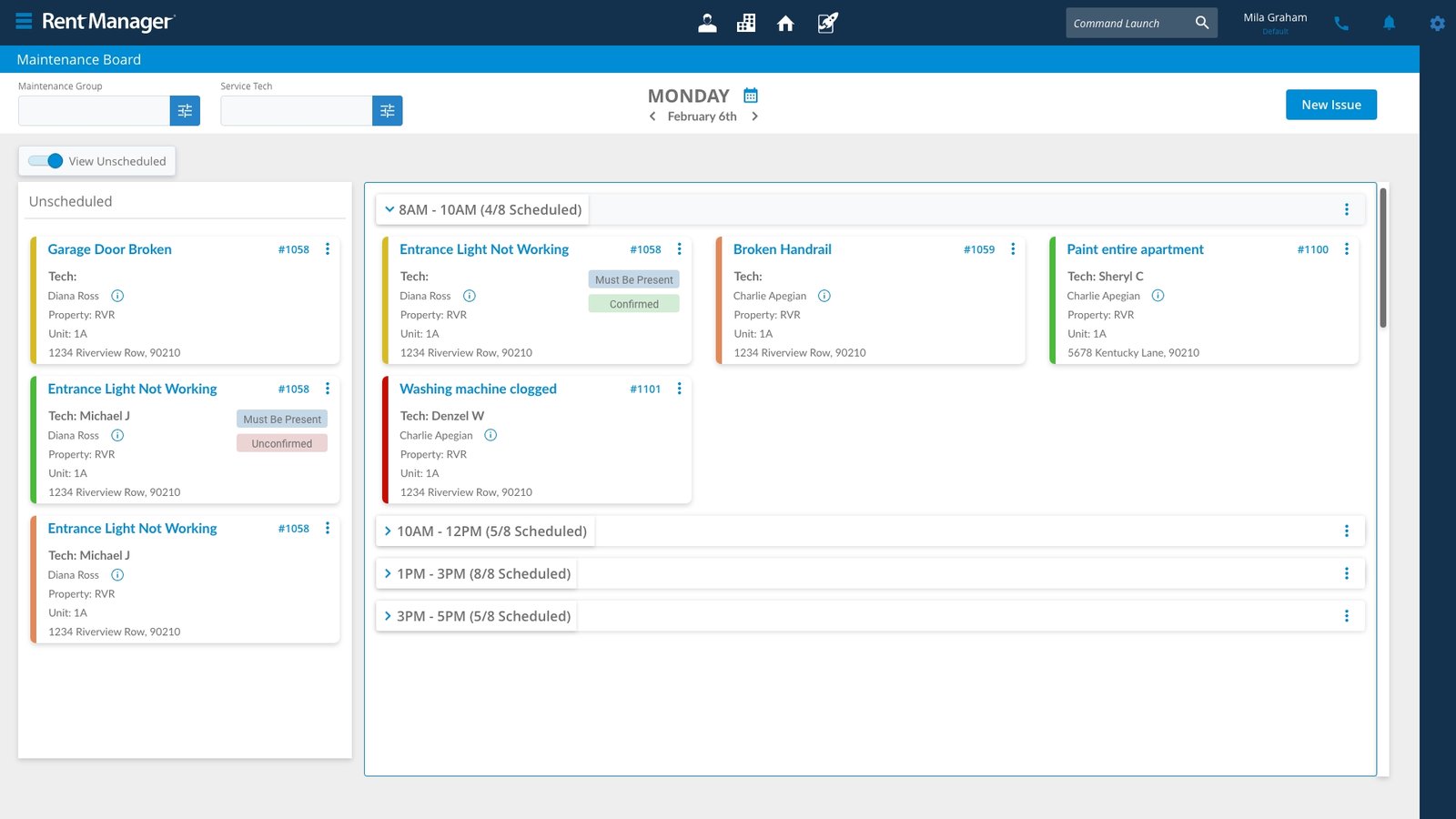
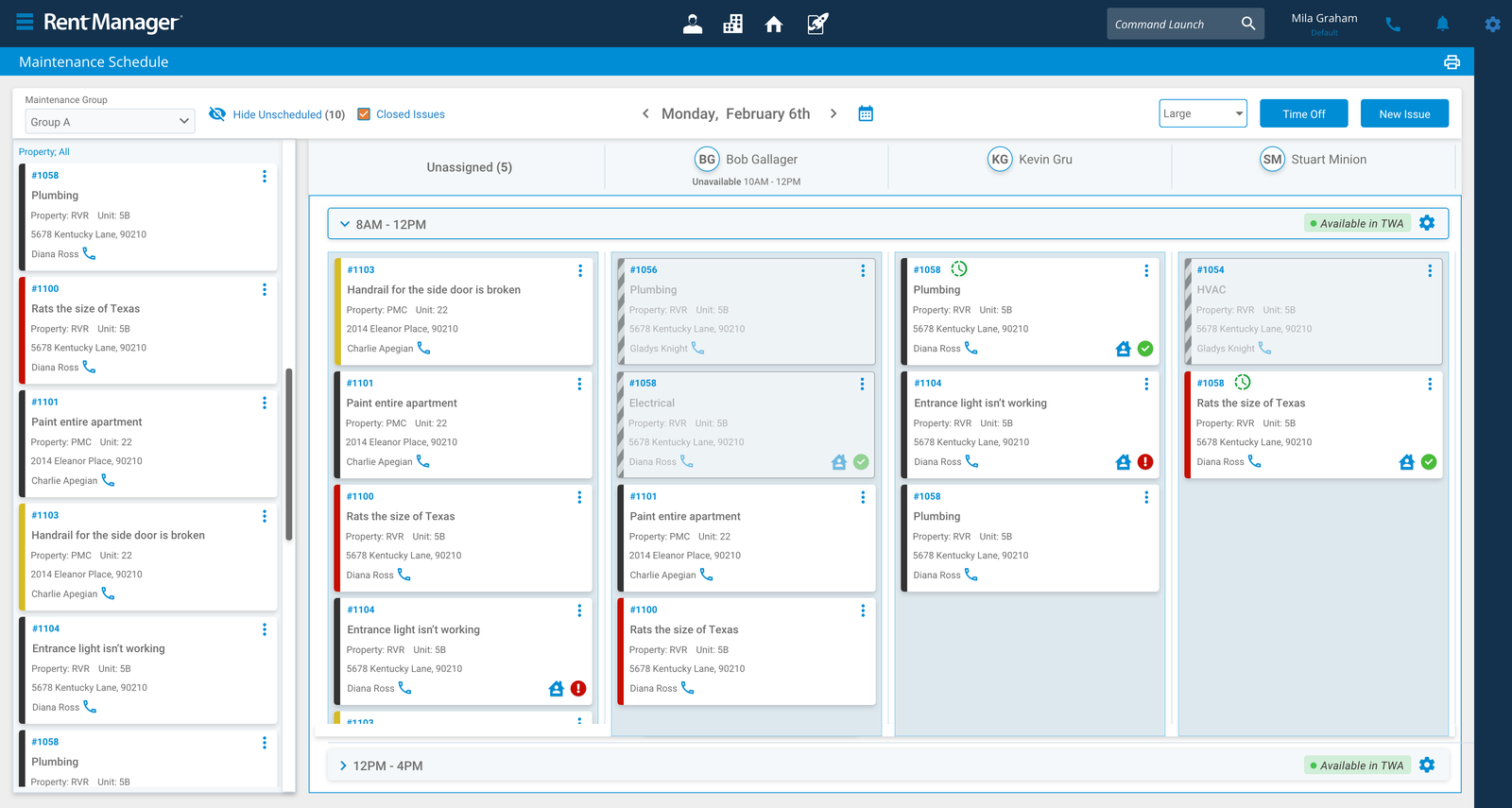
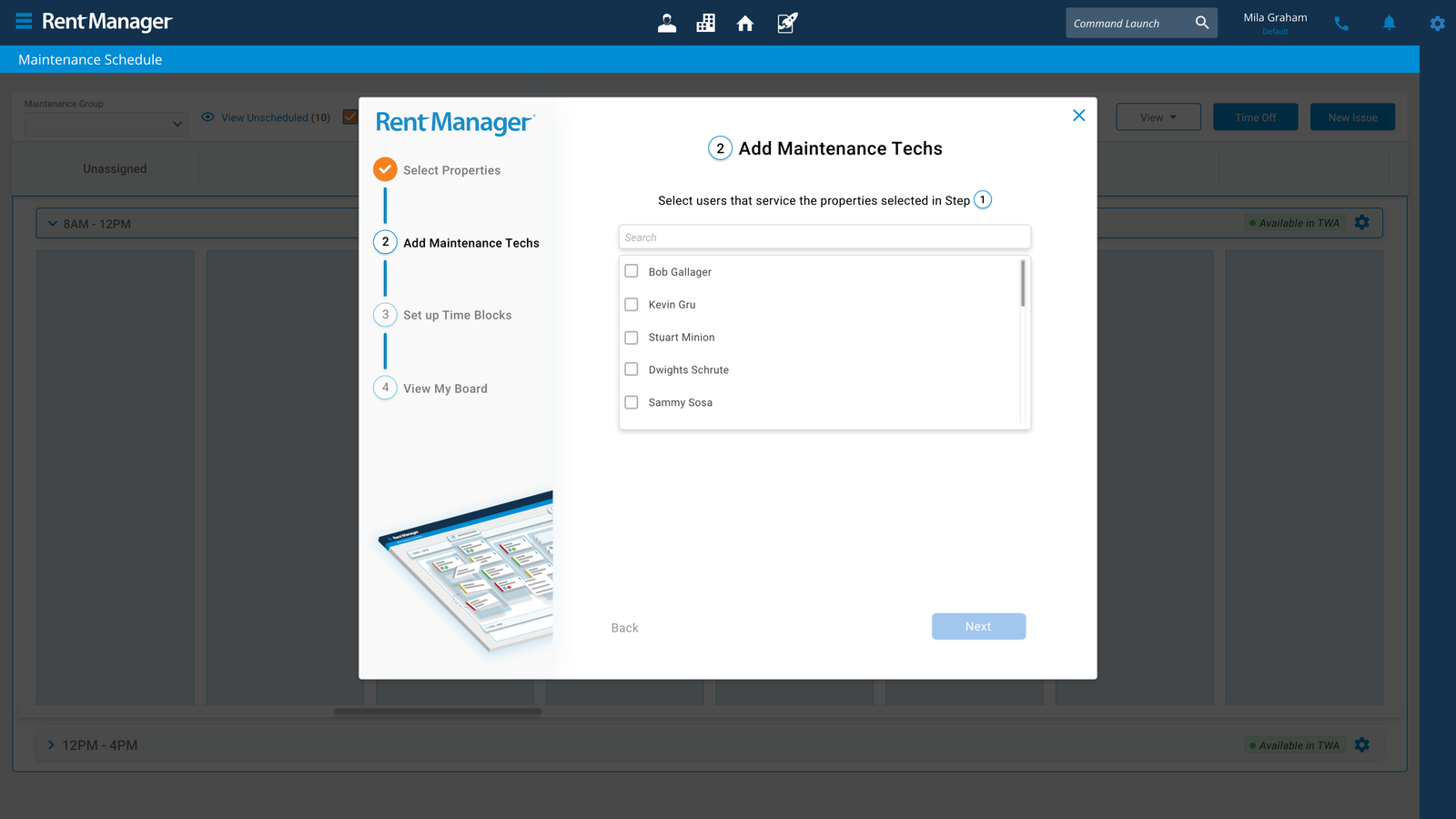
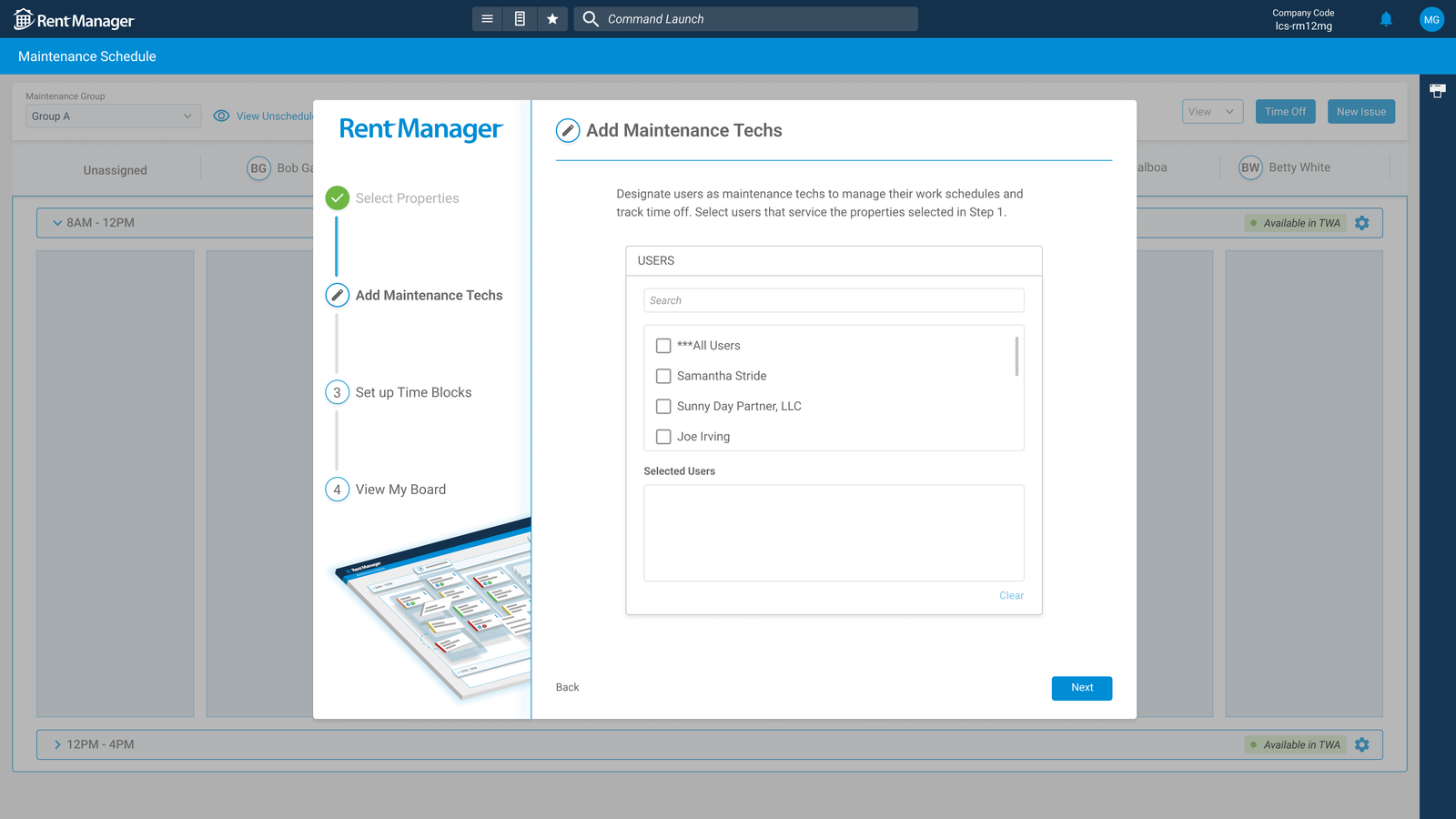
Image 1-2: Shows the initial and final iterations of the board.
Image 3-4: Shows the initial and final iterations of the Walkthrough Wizard.
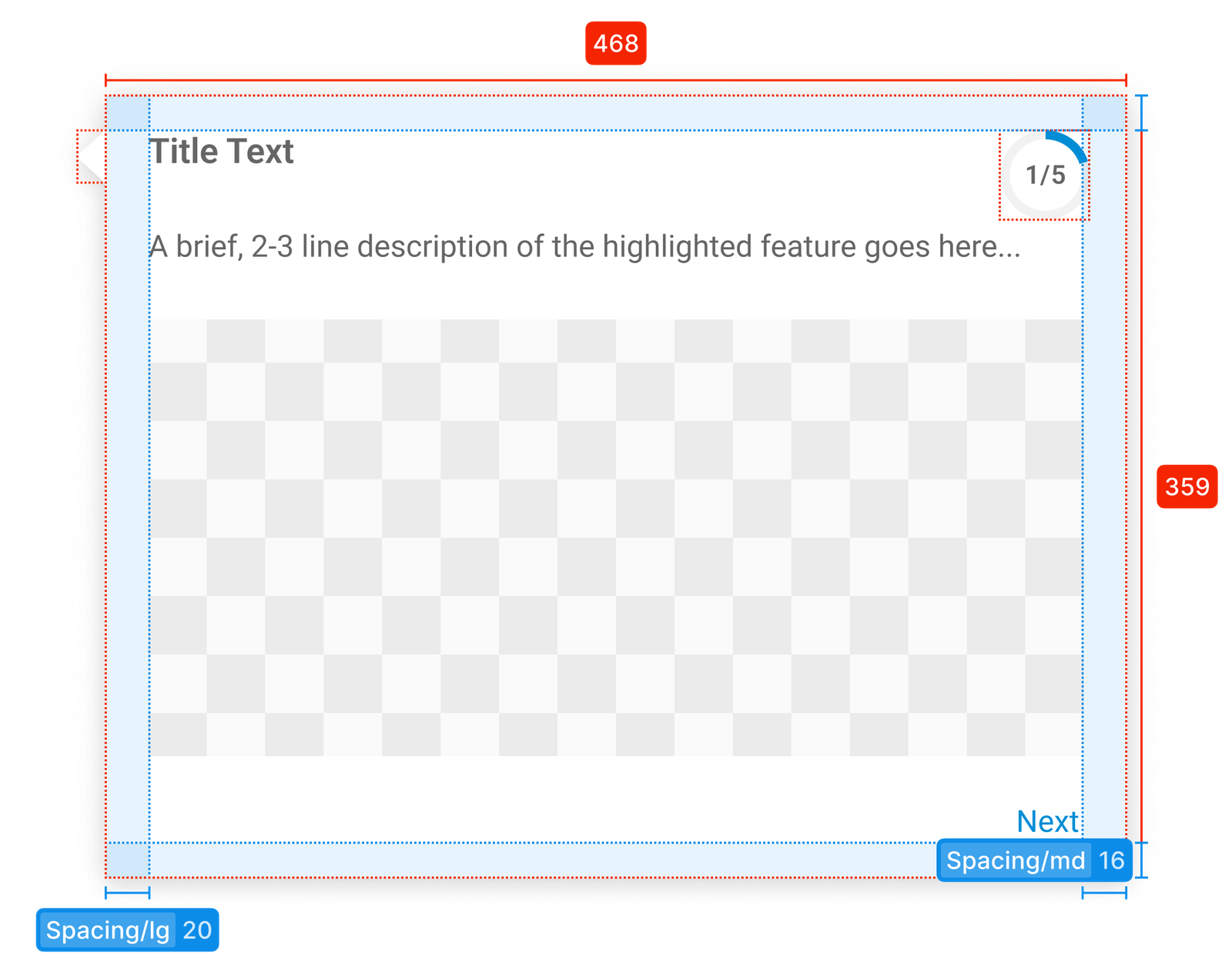
Flyout Tour component
Flyout tour component in Rent Manager Express
How the business and its users benefitted after launch
I established new design standards, improved collaboration between product and engineering teams, and enhanced craft across the product
Reduced identified user friction by 55% by prioritizing the 6 highest-impact user problems for the initial release.
Designed and launched Rent Manager's scheduling platform from 0→1, improving day-to-day coordination while creating a licensable, revenue-generating feature.
Introduced 6 scalable design patterns that have since been adopted across the software.
55% reduction in identified friction
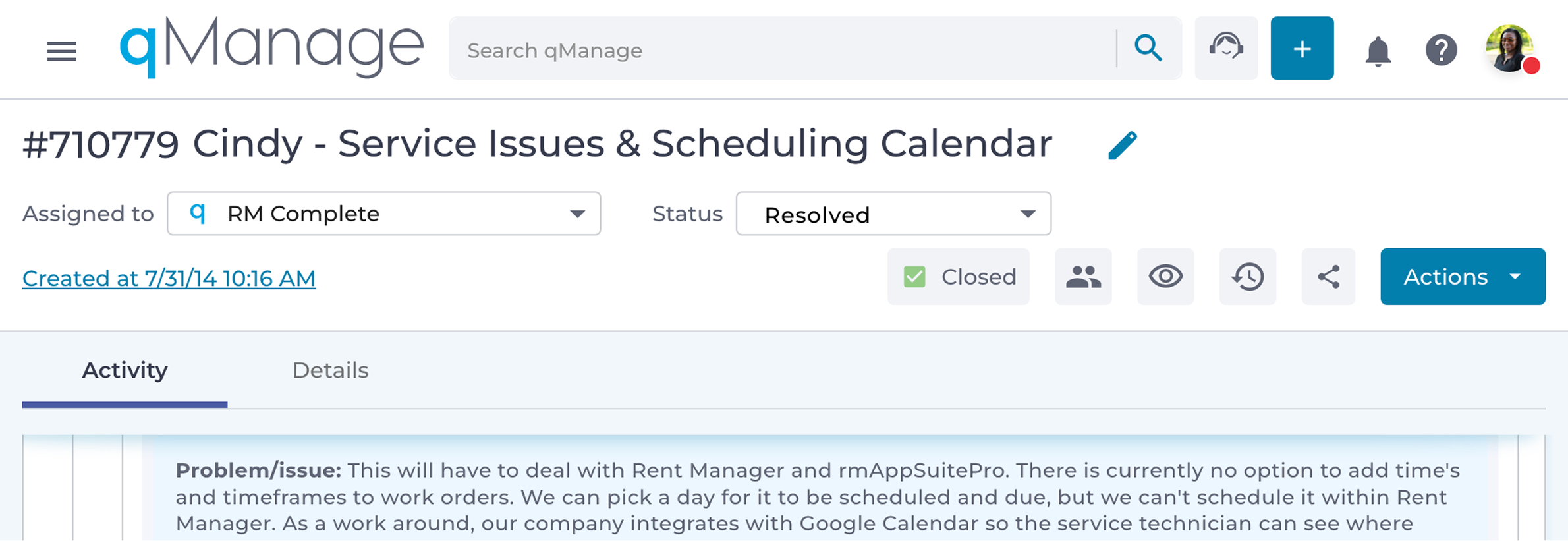
We received 11 support-ticket issues related to maintenance scheduling and prioritized the 6 highest-impact problems for the initial release, resolving issues that had been in the backlog for years.
Hindsight is 20/20
Now that the initial feature is shipped, I would like to go back and create the weekly view that was cut from scope due to time.